acomadmin

About acomadmin

This author has not yet filled in any details.
So far acomadmin has created 105 blog entries.

Southeast Health joins exclusive Mayo Clinic Care Network

Southeast Health is proud to announce that we have joined the worldwide Mayo Clinic Care Network. We are the first health system in Alabama invited to join and ACOM is the only osteopathic medical college in the network.
 
As a member of the Mayo Clinic Care Network, Southeast Health receives special access to Mayo Clinic’s knowledge and expertise, including transformational capabilities and access to digital solutions and technologies from Mayo Clinic Platform. Members are carefully vetted, independent healthcare organizations.
“Being invited to join the Mayo Clinic Care Network is a tremendous honor for Southeast Health and a meaningful milestone for the patients and communities we serve,” says Rick Sutton, CEO of Southeast Health and president of the Alabama College of Osteopathic Medicine. “This collaboration gives our physicians access to Mayo Clinic’s world-renowned expertise while ensuring patients can continue receiving high-quality care close to home. It also reflects our team’s unwavering commitment to advancing clinical excellence and furthers our goals to become one of the top health systems in the nation.”
 
Healthcare professionals from Southeast Health can combine their understanding of their patients’ medical needs with Mayo Clinic expertise, so patients get the care they need, close to home.
 
“We are pleased to welcome Southeast Health into the Mayo Clinic Care Network,” says Ryan Uitti, MD, medical director, Mayo Clinic Platform. “This collaboration showcases their commitment to excellence and their readiness to leverage Mayo Clinic resources to benefit patients across this region.”
Through Southeast Health’s membership in the Mayo Clinic Care Network, its healthcare professionals have access to Mayo Clinic Platform-enabled clinical solutions and services, including:
  • AskMayoExpert: A point-of-care tool offering concise clinical information on hundreds of medical conditions, including medical protocols, treatment recommendations and medical references. The database can be used wherever healthcare is provided.
  • eConsults: Connections to Mayo Clinic specialists for second opinions on specific patient cases.
  • eBoards: Live, scheduled video conferences that enable medical teams at Southeast Health to review and discuss complex cases with a Mayo Clinic multidisciplinary panel and other physicians in the Mayo Clinic Care Network.
  • Healthcare consulting: Access to Mayo Clinic’s extensive experience, knowledge and subspecialty expertise to achieve clinical, operational and business goals.
Staff from Southeast Health can use Mayo Clinic educational materials designed for patients and access opportunities for professional development and continuous medical education.
 
Southeast Health and other Mayo Clinic Care Network members remain independent and join an ecosystem of more than 45 healthcare organizations around the world.
Southeast Health joins exclusive Mayo Clinic Care Network2026-03-06T12:26:46-06:00

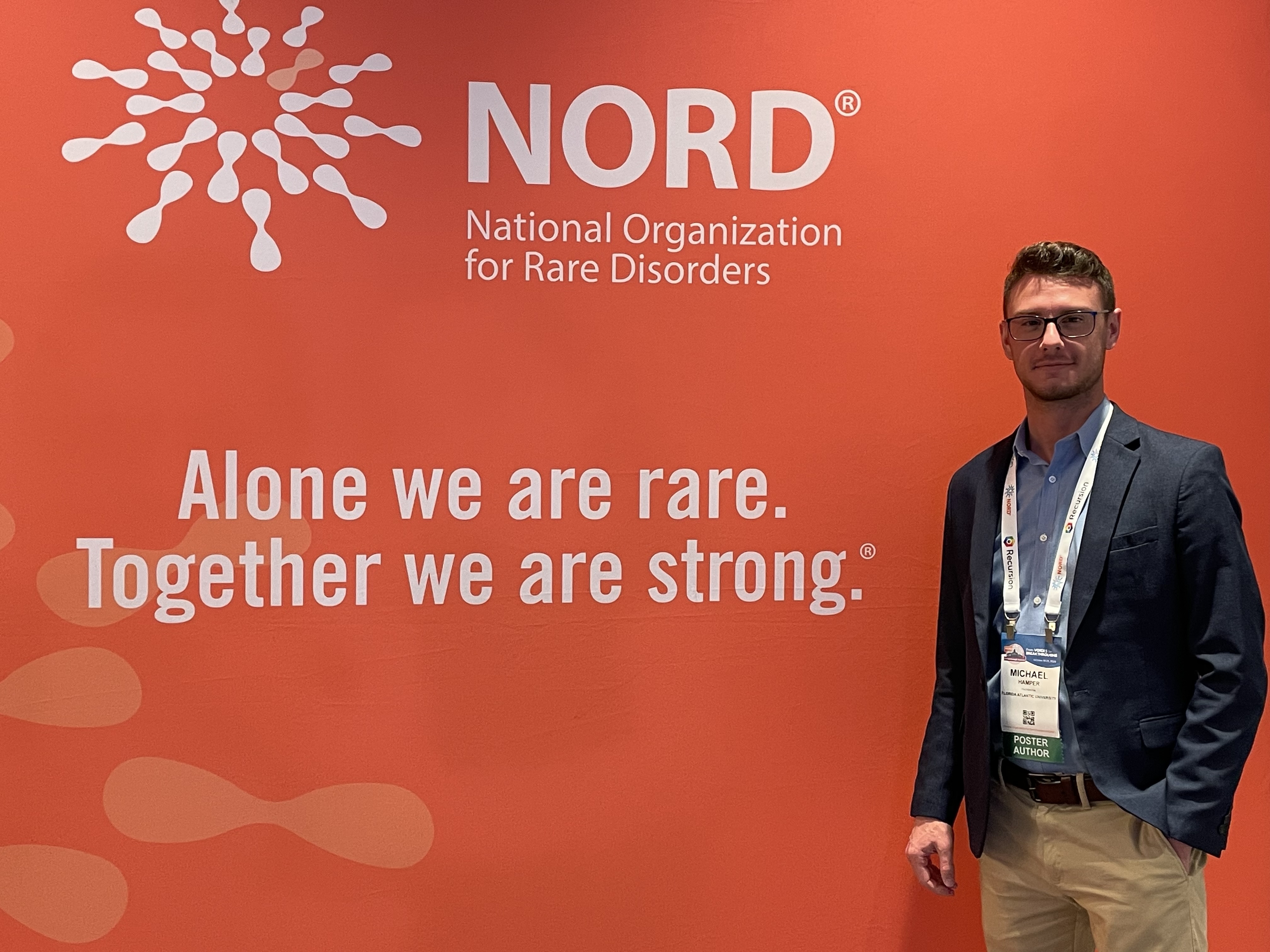
Student Perspectives on National Rare Disease Day by Michael Hamper, ACOM OMS-I

Kleine-Levin Syndrome is an extremely rare neurological condition that is characterized by recurring-remitting episodes of hypersomnia and severe cognitive abnormalities with behavioral changes. 

There is only somewhere between 8,000 and 42,000 people in the world with the condition (based on the latest prevalence estimate). Unfortunately, while there are various factors that have been found to contribute to the condition, the underlying etiology has yet to be elucidated. There is also no definitive treatment.

Before I begin to speak on more personal experience, I want to provide context on the characteristics that I described. The cognitive abnormalities that occur during episodes of hypersomnia are what distinguish this condition from others that look similar. Such changes include severe derealization, memory loss, and disorientation. The criteria was updated in 2023 after over a decade without revision. I make this a point because it has been found that less than half of patients exhibit the characteristics previously used and are unfortunately still described in various resources. This includes our medical textbooks here which have outdated information on the condition, with respect to characteristics that are actually representative by the majority of patients and treatment. However, I contribute that to the lack of data that we now have, and I’m glad that Up-to-Date has much more accurate information. Thus, if anyone is interested in more, indexed literature from 2020-present and Up-to-Date is most reliable.

As for my own experience… I have always been a patient and guinea pig. By 15 I had one of the thickest files at my PCP’s office. From having developed epilepsy and kinesthetic cerebral palsy at a young age (years of physical therapy worked thankfully) to meningitis and Kawasaki’s disease and others, I still wasn’t prepared for being diagnosed with something that few people know about or have ever heard of, and knowing there’s no fix. That diagnosis was obtained after having to fly to Boston the day after the bombing, preceded by months of in-patient hospital stays, almost 10 spinal taps, endless scans, never ending labs and physical exams.

Something else that I’d like to share is that many patients, contrary to what some old literature and criteria would suggest, are not completely “normal” outside of exacerbations. Latest research has shown that this is likely due to notable changes in perfusion and metabolism in various areas of the brain, even between exacerbations. My own functional imaging has shown that as well. While from the outside I may look like I’m operating on the strengths and limitations as most of us do in school, I have to accept that my brain doesn’t function at the physiological capacity that it used to. There have been days that I’ve ensured I have made sure to come across completely normal with people at school, despite operating at 30% and shouldn’t have driven to school let alone not being able to prepare a meal at home, due to the cognitive changes that can still reside in-between exacerbations.

Since the age of 14, due to unpredictable and uncontrollable periods of time of being incapacitated, I’ve lost friends, missed vacations, graduations, birthdays, holidays, and a whole lot of school. And the mental/emotional impact of that isn’t talked about enough. However, once in college, I dedicated my time outside of class to becoming one of the most knowledgeable people of the condition by reading almost every single publication that comes out, have been a patient advocate, presented at conferences, and have now several publications in effort to contribute to the minimal research that is being produced on this condition.

I continue to speak to patients and their providers to educate and consult on the condition, continue research activity and should have another genetic paper out in the next year, and oversee a support group of a few hundred patients and families, all with the intention to give something to the rare disease space and this field that I didn’t have before.

There is already a deficit in medical education in rare diseases (for understandable reasons), and there are thousands of patients like myself that sometimes only get an accurate diagnosis because a provider had a lightbulb moment from a paper they read at some point. I pray that the next generation of providers remain up-to-date on the disease that they still might run into in their practice, which is something that I am fully committed to. There are over 20 million people in the U.S. with a rare disease, many that do not have a definitive treatment, elucidated cause, lack biomarkers, and those patients still need answers and help.

Student Perspectives on National Rare Disease Day by Michael Hamper, ACOM OMS-I2026-03-02T08:37:55-06:00

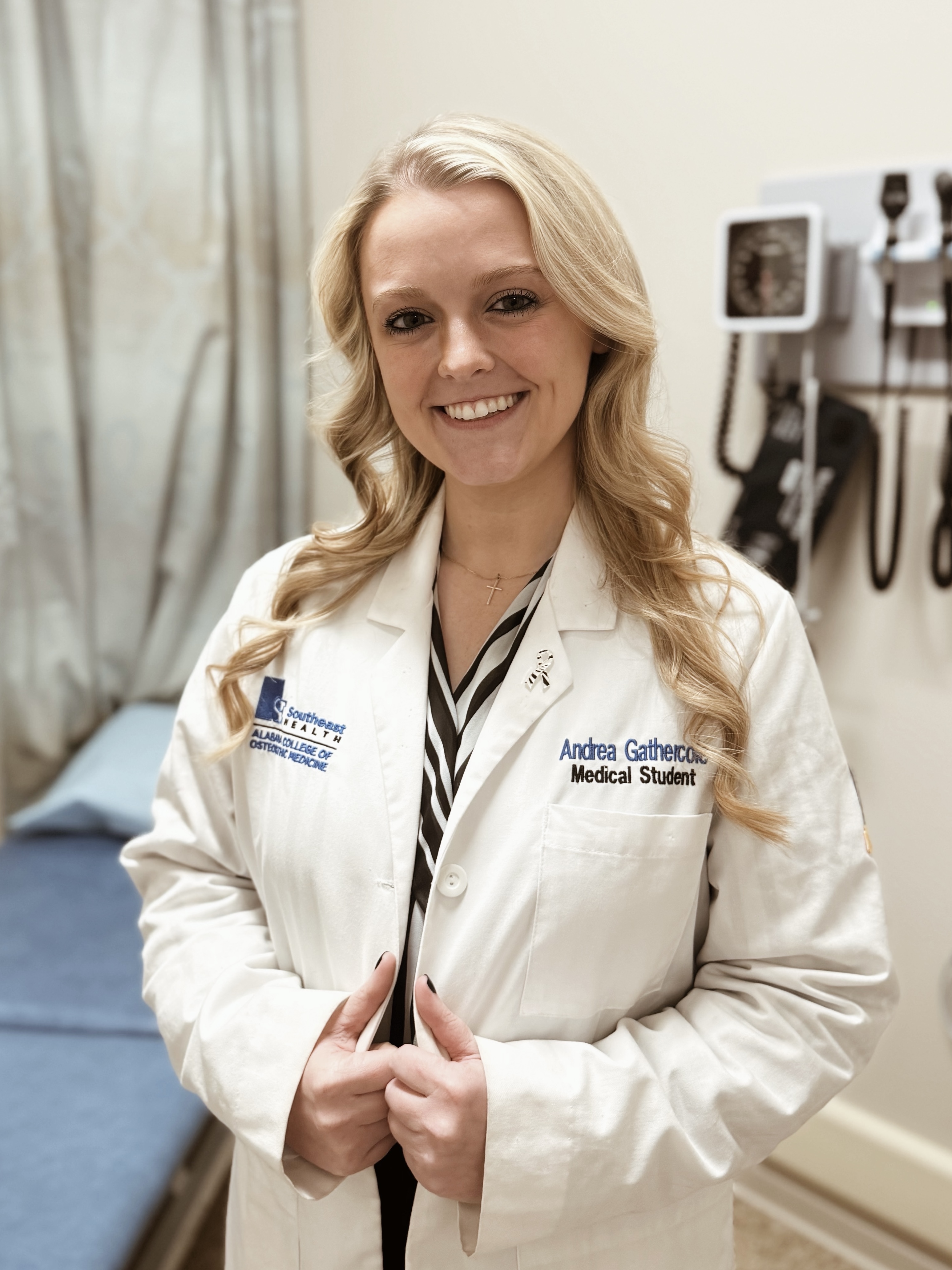
Student Perspectives on National Rare Disease Day by Andrea Gathercole, ACOM OMS-II

Learning my Stripes: Receiving my EDS-BCS Diagnosis in Medical School

I started to see my stripes when I was learning how to recognize stripes. During my first
year of medical school, I saw myself in a patient case. The stripes of symptoms the patient
presented bore a striking resemblance to the decades of struggles myself and various
family members endured. The sudden realization of so many symptoms being “connected”
slamming into me. Am I a zebra?

At the age of 13, I had one of my first father-daughter dates to the Retinologist. My
optometrist, knowing my Dad’s retinal medical history of spontaneous 3 retinal
detachments from a young age, kept a close eye on my retinas and referred me after
finding my first few retinal tears. From there, I received 10 laser photocoagulation retinal
repair surgeries as new holes and tears developed throughout the years. My Dad and I
always tried to schedule our appointments together. Even though the retinologist would
finish with my appointment then having me hop out of the chair switching with my Dad for
his appointment, genetic testing was never discussed in our care plan.

“You’ve got your Dad’s eyes, that’s for sure,” was all we got.

Being a scientifically curious person and a future physician, I wanted to know what that
meant. How does lattice degeneration come about in a person genetically? At the time, my
own amateur research yielded common results: lattice degeneration was genetically
complicated and much of the etiology was unknown. Well, I’ll just have to keep looking.
Maybe when I get a more complex understanding of the human body, I will get some
answers.

I kept learning and progressing through my AP science biology classes in high school to my
undergraduate degree in biochemistry, to finally my master’s in medical science, before I
first heard the name “Ehlers-Danlos Syndrome.”

Wow, these people have really stretchy skin! And they are very flexible! “There is an issue
with their collagen, some with specific genes already specified as pathogenic, and
connective tissue issues leading to them being prone to joint dislocations and aortic
dissections.” That was about as in-depth as we went in our studies.

Flash forward to a few years later, I am sitting in my first-year medical school eye neurolab
when a fictional patient’s case broke my own “cold case” wide open. The patient was
undergoing multiple eye surgeries for retinal tears and detachments from the ages of 12-
22. Family medical history includes a parent with a similar history…. and additional sx of
joint pain/abnormalities and hearing loss. His diagnosis? Stickler Syndrome, a hereditary
connective tissue disorder.

Can hereditary connective tissue disorders cause retinal pathologies? I couldn’t research
fast enough. So many similarities to my “stripes” riddled the web pages.
My mind flashed back and connected so many things all at once: all of the retinal
appointments and laser surgeries. My debilitating hip pain as a child that led to an MRI and
a diagnosis of hip dysplasia. Having to edit bruises out of so many of my photos before
posting them on social media. Getting spray tans and putting foundation on my chest to
cover up the veins you could trace with a pen. Being hospitalized for five days for acute
pancreatitis with no apparent cause besides mild gallbladder symptoms – of which they
removed my gallbladder – and the not normal, atrophic scars now on my abdomen from
that surgery. Is this all connected?

The main looming part that didn’t quite fit was the hypermobility part. I have never
considered myself double-jointed in my fingers. We had not learned about hypermobility in
a clinical setting yet in medical school. How do I even test for this? I found my answer on
the Ehlers-Danlos Society page. The “Beighton Scoring System”? There, in the study room
of my medical school, with the help of my medical school friends, I scored an 8/9. I was
hypermobile. “I think I need to go to a Medical Geneticist.”

My primary care doctor at the time referred me after hearing my concerns, and a few
months later, I was with my dad in the office with a Medical Geneticist. The main concern
of our visit was the retinal problems, but we did briefly discuss my joint hypermobility. They
told me a full retinal panel would be done to see if any pathogenic genes came back. I got
my blood drawn and waited for the results.

Nothing can prepare someone for the disappointment that comes from hearing the words
from the genetics counselor, “We could not find any pathogenic genes in all the retinalassociated genes we tested for in your blood work.” How can that be? It didn’t make any sense. Confusion and disappointment riddled me as I asked, “There really are no genes that came
up in the retinal pathology panel? What about my hypermobility?”

“The retinal pathology panel is very extensive. We didn’t run a connective tissue panel
because there was some overlap between the panels. I can ask the doctor if he wants to
run the connective tissue panel, but we already tested for a lot of the connective tissue
issues with the retinal panel.”

“Okay. Ask the doctor what he thinks and let me know his recommendation.”

I received a message they were going to run the connective tissue panel. I am so grateful
that my doctor listened to my question about whether we can test for my hypermobility. I
am so grateful that I was able to advocate for myself, even knew I was hypermobile, and
how to test for it, because of the Ehlers-Danlos Society website.

They called back a few weeks later with answers. “Andrea, we found 2 pathogenic variants
of ZNF469 in the connective tissue panel that correlates with something called ‘Brittle
Cornea Syndrome’, a subtype of Ehlers-Danlos Syndrome (EDS). If your parents are open
to it, we need them to send in samples to see if you inherited the variants from one or both
of your parents. Even though this syndrome is definitively diagnosed if it is inherited in an
autosomal recessive pattern, these variants are showing signs in the literature of actually
being autosomal dominant in nature and presenting various EDS symptoms in carriers,
and not just corneal issues.”

I called my parents so fast. They submitted their samples, and we waited again. The call
came a few weeks later.

I am a zebra, my stripes definitively being Brittle Cornea Syndrome (BCS) subtype of
Ehlers-Danlos, the first diagnosis of BCS in my medical genetics clinic’s history. My dad
was a zebra, being a carrier of a pathogenic variant of ZNF469 that was showing autosomal
dominance characteristics and correlated heavily with eye pathologies in its presentation.
And… my mom was also a zebra, being a carrier of a pathogenic variant of ZNF469 that was
showing autosomal dominance characteristics and correlated heavily with a more
vascular EDS-like presentation of symptoms and pathologies. My mom has extensive
varicose veins, hypermobility, hernias, and a history of a postpartum hemorrhage that
almost took her life.

“You definitely have your mom’s legs.” I remembered hearing from one of my family
members when my mom and I were comparing our varicose veins.

I received a pathogenic variant of ZNF469 from each parent and was autosomal recessive.
My cold case was solved. My parents’ cold cases were solved. It all, finally, connected.
Equipped with answers, my family and I are learning so much about how to better manage
our health, symptoms, and lifestyle to accommodate our lives with Ehlers-Danlos. From
how to exercise, to preventative heart and eye screenings, to learning how to live our best
and healthiest lives alongside our connective tissue disorder is possible through the work
of organizations like the Ehlers-Danlos Society.

It was the years of scientific advocacy, research, and discovery for patients in the EDS
community to finally have some life-changing and life-saving answers. As we look ahead, it
is important that we continue this momentum to find even more genes, comorbidities, and
alternative lifestyle changes. Additionally, it is important that we educate, advocate, and
promote methods for uncovering EDS to those on the front lines: medical professionals.
Even in the countless doctors’ offices and specialists I have seen throughout my life, it took
my personal journey of becoming a medical professional to connect, research, advocate,
and discover my stripes. With my efforts no longer going to detective work, I am now able
to bring my efforts towards advocacy of hereditary connective tissue disorders to medical
education and clinical landscapes.

While I am still in medical school, I am working to change the landscape of medical
education by advocating for representation and clinical skills training on connective tissue
disorders, where the foundation of scientific knowledge is formed: in medical school.
Equipping all of our future physicians, no matter what specialty they go into, with the skills
and confidence in recognizing potential connective tissue disorders and giving appropriate
medical genetics referrals can, and will, change and save lives.

We’ve all heard in the medical field, “If you hear hoofbeats behind you, think of horses and
don’t expect to see a zebra.” Unfortunately, many clinicians only recognize a patient is a
zebra in retrospect; after the patient has pieced it together themselves, finding the “right”
provider, and finally receiving a diagnosis. This often follows years of misdiagnoses,
repeated consultations with multiple providers, and relentless self-advocacy. By then,
patients may have endured decades of harm from EDS and its comorbidities, sometimes
affecting multiple generations within a family.

We need to train clinicians, and future clinicians, not only to listen for hoofbeats, but to
distinguish among them. Even when horses and zebras sound similar, there are subtle
differences. Through clinical skills testing, education, and continued research into
evidence-based practices, we can learn and teach others how to recognize the distinct
sound of a potential connective tissue disorder, the zebra’s hoofbeat, without having to
turn around. Clinicians should not have to “look back” in hindsight to tell the difference.
My name is Andrea Gathercole.

I am an osteopathic medical student.
I have Brittle Cornea Syndrome subtype of the Ehlers-Danlos Syndromes.
I am a zebra.
And I am using my voice, my story – my hoofbeats – to teach future physicians how to spot stripes.

Student Perspectives on National Rare Disease Day by Andrea Gathercole, ACOM OMS-II2026-03-02T08:38:48-06:00

Hopper Named to the ACOM Board of Directors

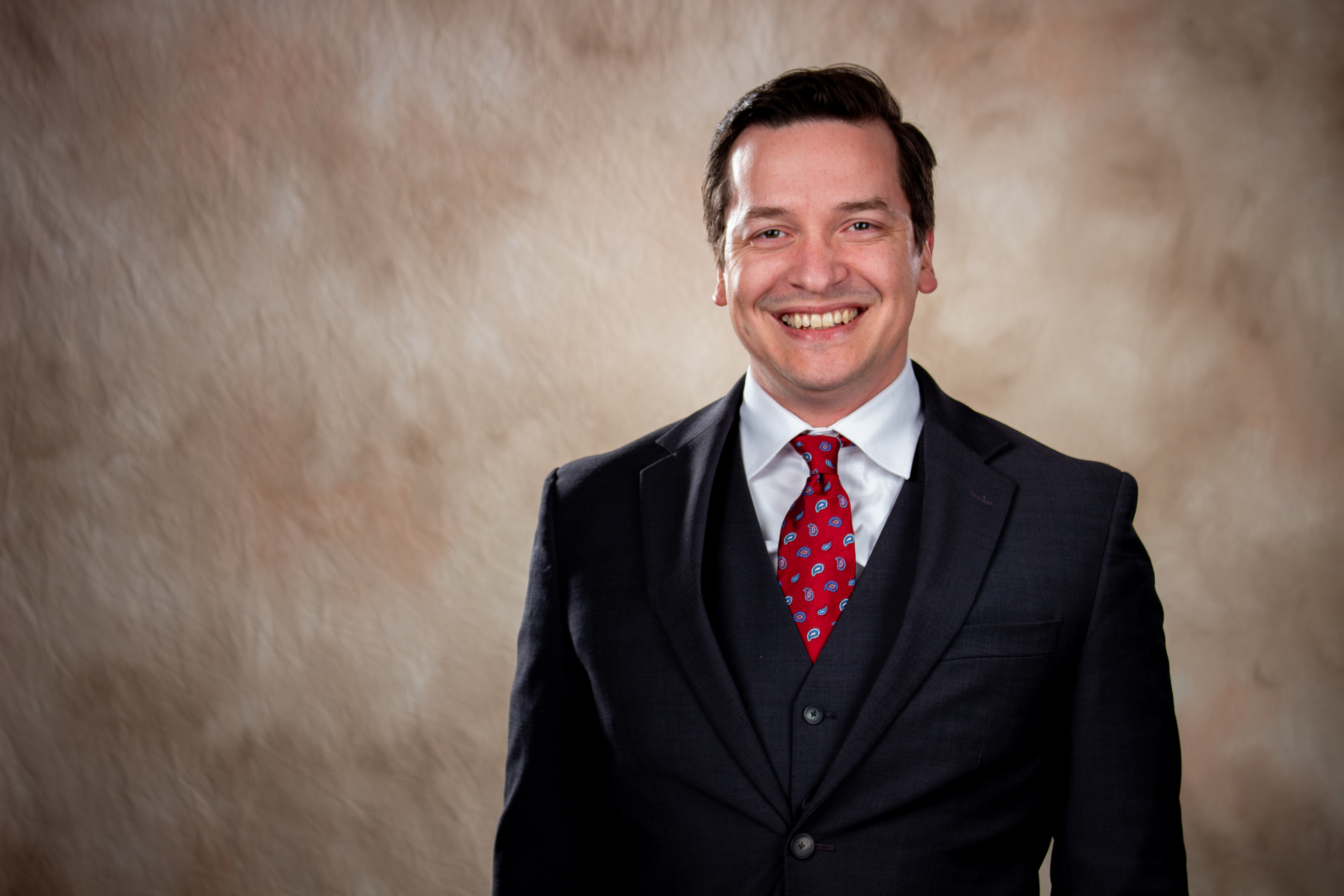
The Alabama College of Osteopathic Medicine (ACOM) is pleased announce Paul Hopper’s appointment to the college’s nine-member volunteer board of directors.

Hopper currently serves as the assistant director of Rural Initiatives for the Alabama Medical Education Consortium (AMEC), which was a driving force in establishing ACOM. AMEC and ACOM continue to grow the number of teaching healthcare facilities in Alabama. Through their efforts, the state currently has 12 healthcare facilities offering graduate education programs.

Hopper is a former town council member in Elberta, Alabama, where he oversaw the acquisition of millions of dollars in federal and state grants. He is a past recipient of the Norman J. Walton Award from the South Alabama Regional Planning Commission for innovative use of funding.

Hopper received his bachelor’s degree in communication with a concentration in public relations from the University of South Alabama in Mobile. He is currently pursuing a master’s degree in health administration from the University of North Alabama in Florence.

Hopper has demonstrated a long history of serving in leadership roles with civic and special interest organizations. He is a member of the Alabama Rural Health Association, Alabama Primary Healthcare Association and Pi Kappa Alpha Inc. Fraternity.

He resides in Mobile with his three children, where he is restoring a historic home in his free time. He also enjoys exploring the unique small towns and remote places in Alabama.

Please join us in welcoming Hopper to the ACOM Board of Directors.

Hopper Named to the ACOM Board of Directors2026-01-13T11:16:10-06:00

ACOM Announces 2026 Military Match Results

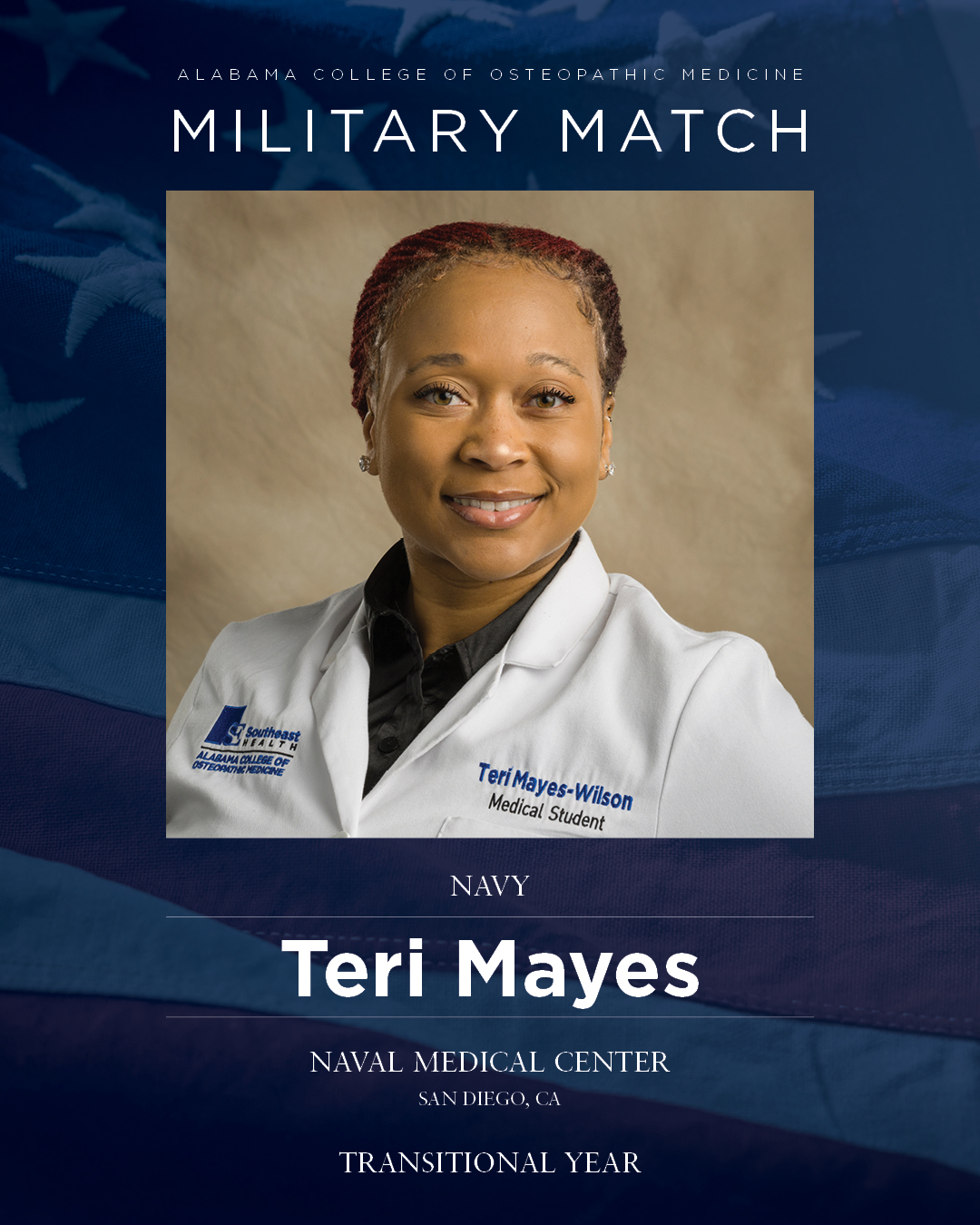
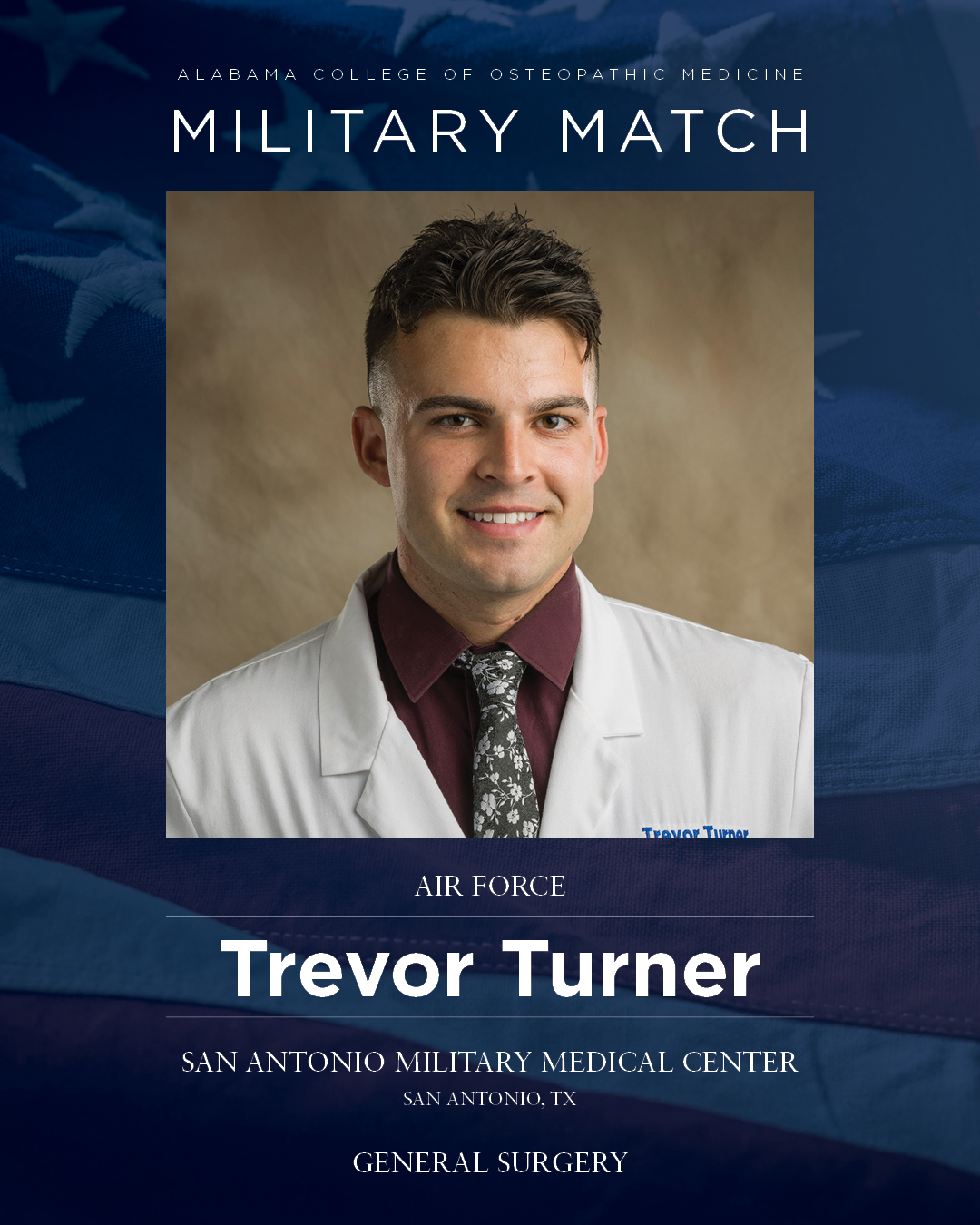
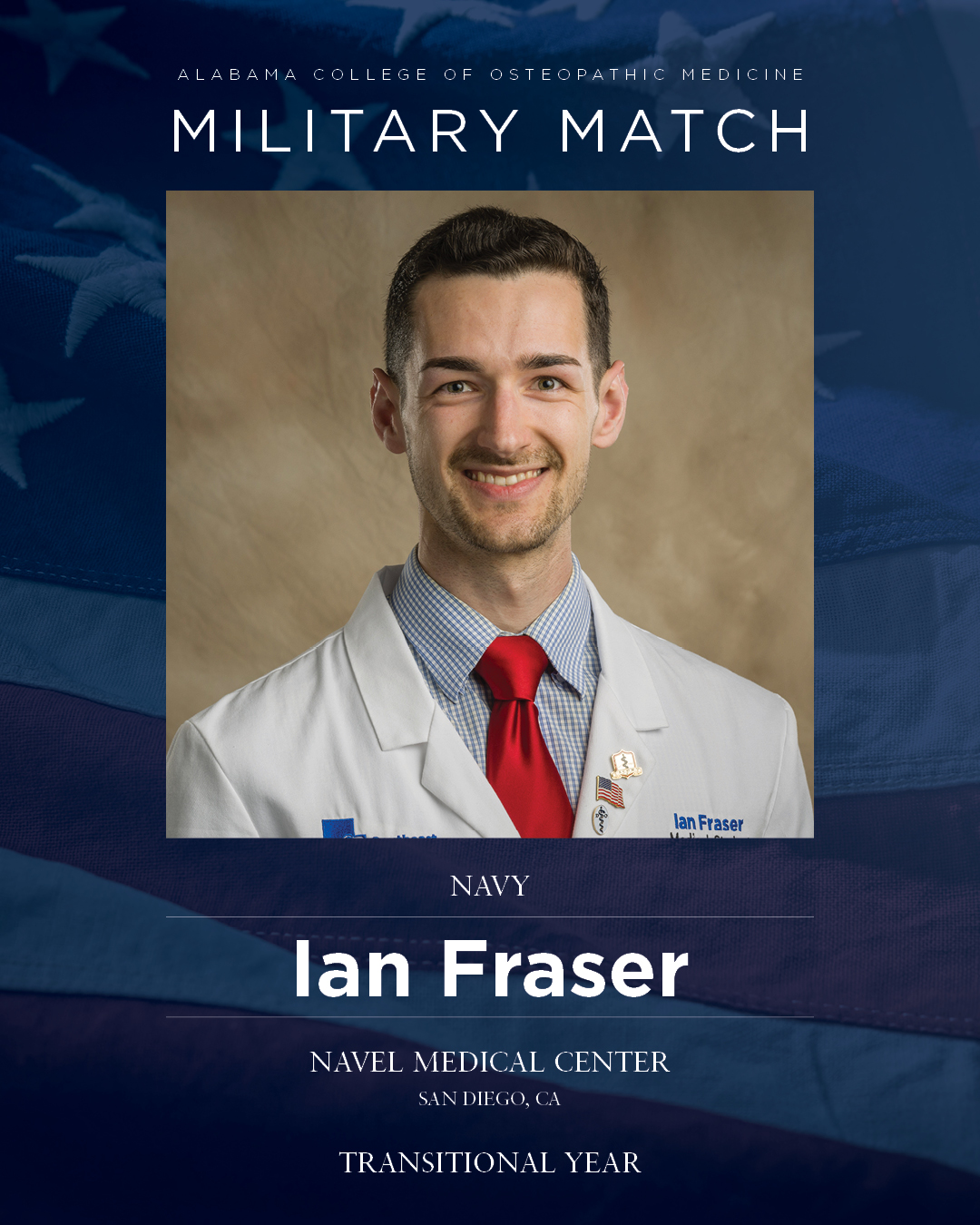
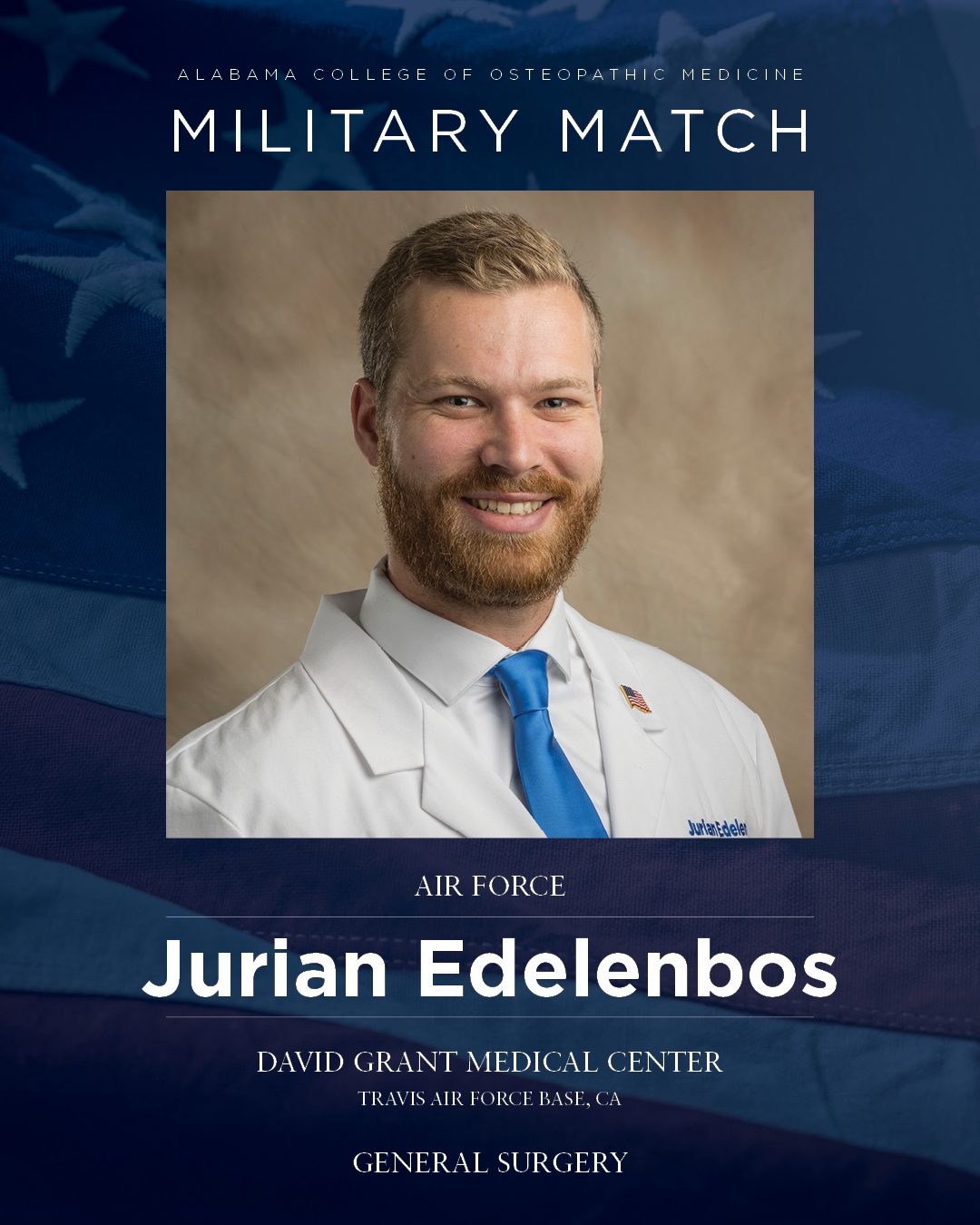
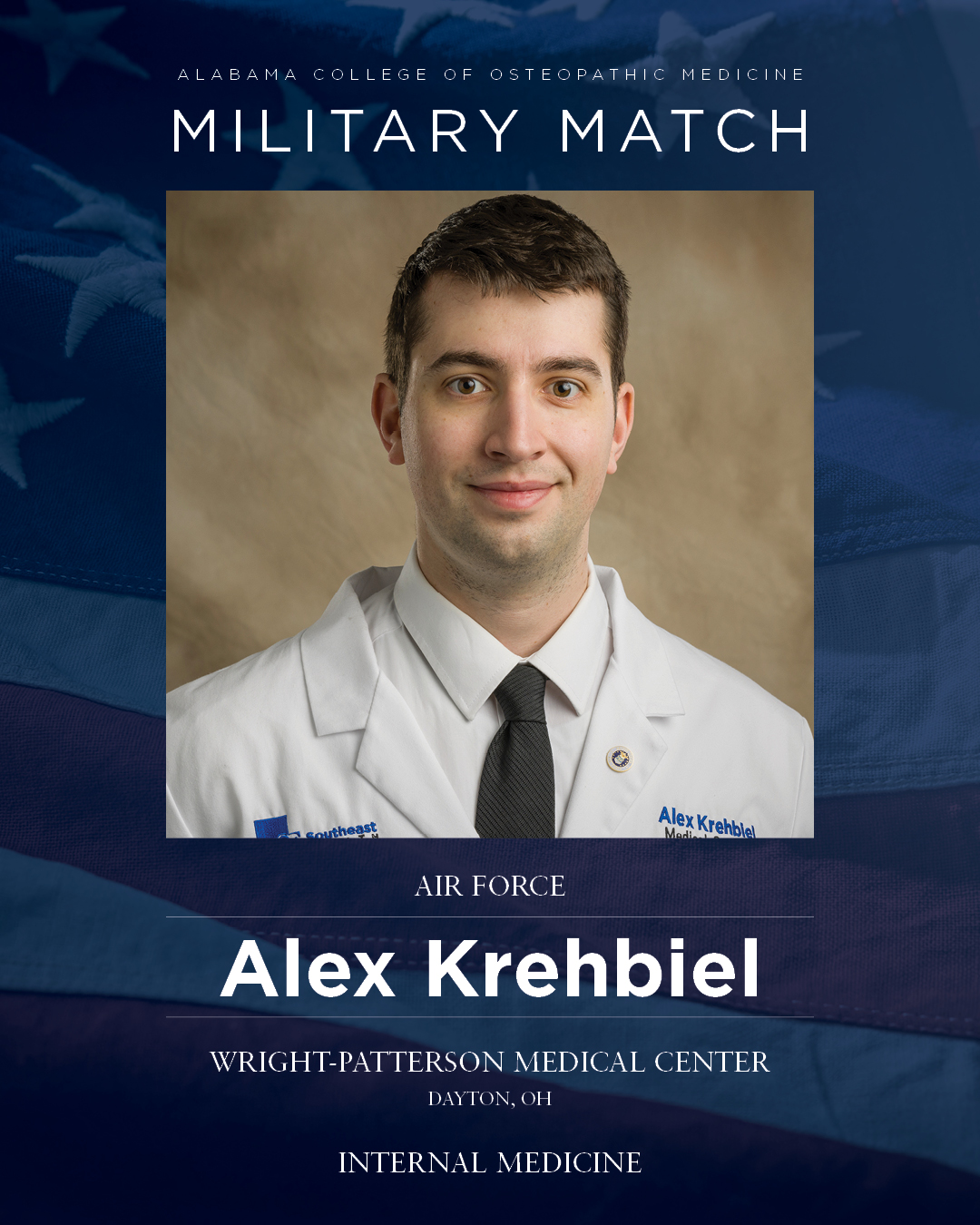
In advance of Match Day on March 20, the Alabama College of Osteopathic Medicine (ACOM) is pleased to announce the early military match results for members of the class of 2026. These five students’ commitment to serving their country parallels their passion for helping others, which has been apparent throughout their medical education at ACOM.

In the spring of each year, Match Day signifies the shift to a new phase of a medical student’s education: residency. Medical residency is a multi-year program with intensive training in a specific area of medical care. In their final year of medical school, students apply for and interview with residency programs where they may want to continue their training. The students and programs rank each other respectively through the National Residency Match Program, which runs a computerized algorithm to determine the match. Those match results are revealed on Match Day. Certain programs, such as those associated with the military, complete their match processes separately and announce those results in advance.

ACOM is proud to announce the following military match results and we look forward to celebrating the entire class of 2026 on Match Day in March.

ACOM Announces 2026 Military Match Results2025-12-15T09:16:24-06:00

Thacker Selected as President Elect of AOA

ACOM is proud to announce Richard R. Thacker, DO, MACOI, board-certified internist, was recently selected president-elect of the American Osteopathic Association (AOA).
Dr. Thacker was elected to this prestigious position at the AOA’s annual meeting in Chicago. He will serve as AOA president-elect this year before assuming the president’s role in July 2026.

The AOA represents more than 197,000 osteopathic physicians and students in the US, promoting public health, scientific research, and the distinctive osteopathic approach to medicine.

Dr. Thacker, who joined the ACOM faculty in 2018, is associate dean of Clinical Sciences, a member of the dean’s cabinet and associate professor of Internal Medicine.

Dr. Thacker is board certified in hospice and palliative medicine, and he is a master fellow of the American College of Osteopathic Internists. Prior to being selected president-elect, Dr. Thacker served on the AOA board of trustees.

He is the 2024 recipient of the ACOM Student Advocate Award, which is voted on by the student body.

Dr. Thacker, DO, MACOI, is a graduate of Nova Southeastern University’s Kiran C. Patel College of Osteopathic Medicine in Davie, Florida and he is a past president of the Florida Osteopathic Medical Association. He is a longtime advocate for the profession with decades of legislative experience.

Please join us in congratulating Dr. Thacker for his dedication to advancing osteopathic medicine through this leadership role.

Thacker Selected as President Elect of AOA2025-07-23T16:48:14-05:00

Drs. Fotopoulos and Thacker Receive Faculty Promotions

The Alabama College of Osteopathic Medicine (ACOM) is proud to announce the faculty promotions of Thomas J. Fotopoulos, DO, to professor of Osteopathic Principles and Practice (OPP) and Richard R. Thacker, DO, MACOI, to associate professor of Internal Medicine. Both serve in the Clinical Sciences division.

Dr. Fotopoulos joined the ACOM faculty in 2021 and he serves as chair of the Department of OPP. He is board-certified in neuromusculoskeletal medicine and osteopathic manipulative medicine.

A second-generation osteopathic physician, Dr. Fotopoulos enjoys teaching students to better understand and utilize OMM. Dr. Fotopoulos is the recipient of the 2024 Ronald S. Owen Legacy Award.

Dr. Thacker has been a member of the ACOM faculty since 2018 and he serves as associate dean of Clinical Sciences and as a member of dean’s cabinet.

Dr. Thacker is board-certified in hospice and palliative medicine, and he is a master fellow of the American College of Osteopathic Internists. Dr. Thacker serves on the board of trustees for the American Osteopathic Association (AOA).
He is the 2024 recipient of the ACOM Student Advocate Award, which is voted on by the student body.

Please join me in congratulating Dr. Fotopoulos and Dr. Thacker on these well-deserved recognitions and in celebrating their continued leadership and service to ACOM.

Drs. Fotopoulos and Thacker Receive Faculty Promotions2025-06-04T16:44:19-05:00

Mutual Agreement with Military Veteran’s Organization

DOTHAN, Ala – The Alabama College of Osteopathic Medicine (ACOM) and Special Operations Forces to School of Medicine (SOFtoSOM) are proud to announce a Memorandum of Understanding (MOU) agreement offering priority status to qualified military veterans.

The three-year MOU agreement was signed and implemented at the beginning of this academic year. The agreement guarantees SOFtoSOM veterans who have been vetted academically and who have achieved a minimum MCAT score will receive an admissions interview, and it waives the admission fee. It also provides admission at no cost into the Anatomy Boot Camp, which takes place prior to the first semester of medical school.

“We are excited about this opportunity to provide these military heroes an opportunity to realize their dream of becoming physicians,” said Christina Kennedy, PhD, director of Community Partnerships. “This agreement allows us to recruit some of the military’s brightest soldiers to ACOM.”

Dr. Kennedy is confident that this MOU not only reflects the collaboration of ACOM and SOFtoSOM, but it will also provide a strong platform for future initiatives.

The SOFtoSOM expressed its honor in partnering with ACOM in the shared mission of supporting our nation’s most elite veterans as they transition from the battlefield to the bedside. This organization believes the agreement represents more than just an admissions pathway. It is a testament to ACOM’s commitment to recognizing the unique strengths, discipline, and service-driven mindset that Special Operations veterans bring to medicine. SOFtoSOM believes this collaboration will not only open doors for our candidates, but it will also enrich the ACOM community with future physicians forged through years of selfless service and leadership.

SOFtoSOM began as a grassroots initiative, uniting Special Operations Forces service members through social media to support one another on the path to medical school. What started as informal MCAT study sessions quickly evolved into a thriving community of SOF veterans and students, providing mentorship and resources from pre-med preparation to medical school success. In 2023, driven by a shared commitment to making a lasting impact, these veterans formally established SOFtoSOM, which is the first nonprofit organization dedicated to guiding Special Operators in the transition from the battlefield to health care, carrying forward the same integrity, leadership, and resilience that define their service.

For more information about the SOFtoSOM program at ACOM, visit  www.acom.edu.

Mutual Agreement with Military Veteran’s Organization2025-05-15T14:55:26-05:00

ACOM Captures 2025 Simulation National Championship

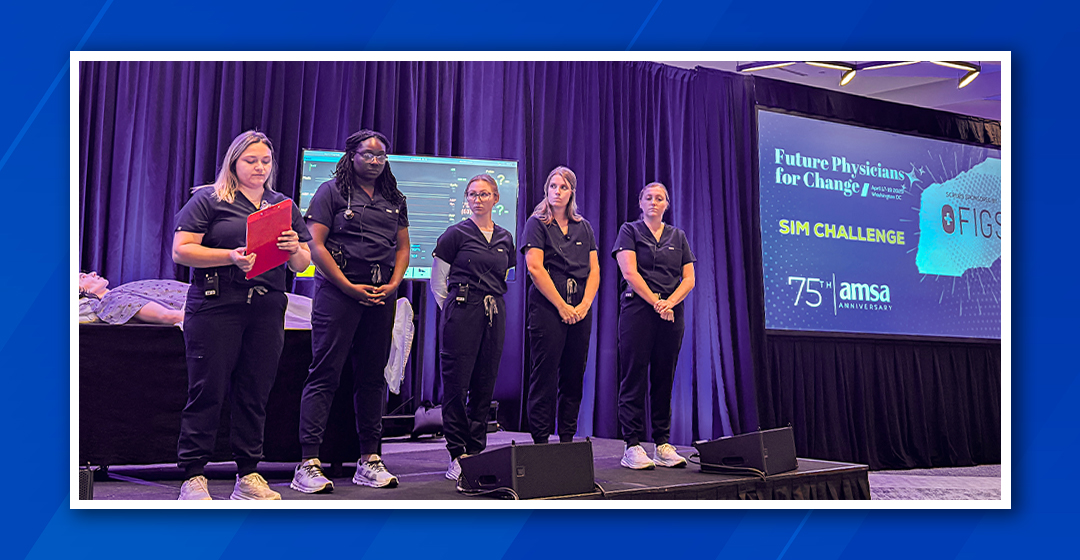
ACOM, for the sixth time since 2017, has claimed the national American Medical Student Association (AMSA) simulation competition championship.
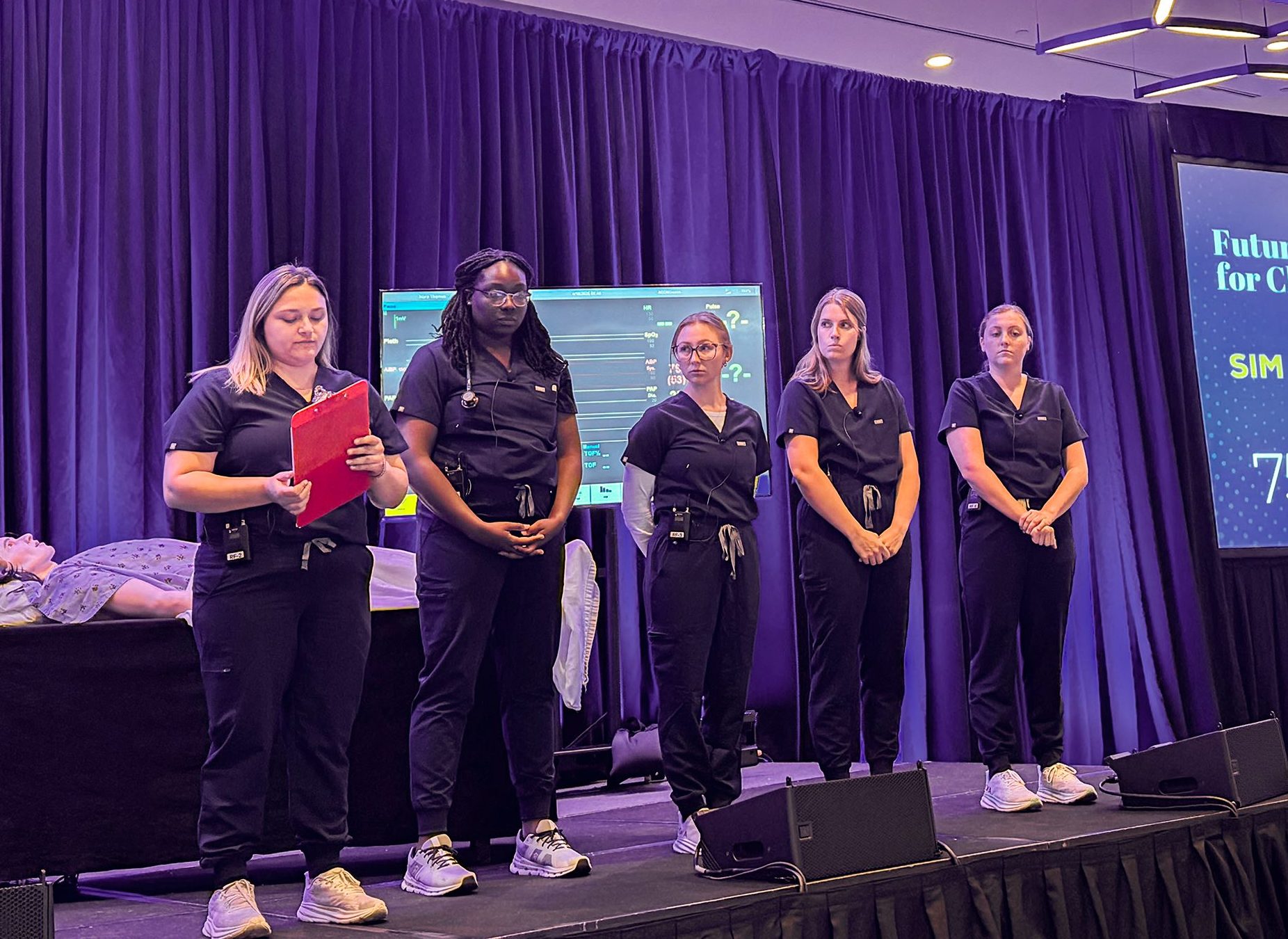
The recent competition was at the AMSA Future Physicians for Change conference in Washington, D.C.

ACOM team, Smooth Obturators, defeated four other teams, including Yale School of Medicine and Baylor University College of Medicine. A second team from ACOM also made it to the semifinals.

The winning team was comprised of Carly Stuppiello, Autumn Stevens, Hart Williams, Sydney Sheppard and Sabrina Belizaire.

“I’m incredibly proud of this team and the way they competed,” said Jim Nolin, PhD, FNP-C, CHSE, Director of Clinical Simulation. “Earning this championship is a testament to our students and the strength of ACOM’s simulation program and the tradition of excellence we’ve cultivated. Our simulation lab bridges the gap between theory and practice, giving students hands-on experience that reinforces what they learn in the classroom.”

“We are proud of the continued success our simulation teams have experienced on the national level,” said James C. Jones, DO, FACEP, ACOM Dean. “Our simulation program represents the strong foundation of medical education all of our students receive.”

Along with Dr. Nolin, the simulations faculty includes Greg Jacobs, DO, FACEP, FAAEM, interim medical director of Clinical Simulation, Nancy Brown, MEd, BSN, simulation curriculum coordinator and Justin Bonds, simulation technology specialist.

The Sim Fellows include Sandra Fanous, Hannah Mixon, Dana Parker, and Mikaylah Rutledge.

ACOM Captures 2025 Simulation National Championship2025-05-13T11:25:18-05:00

Vogel Named Student Researcher of the Year

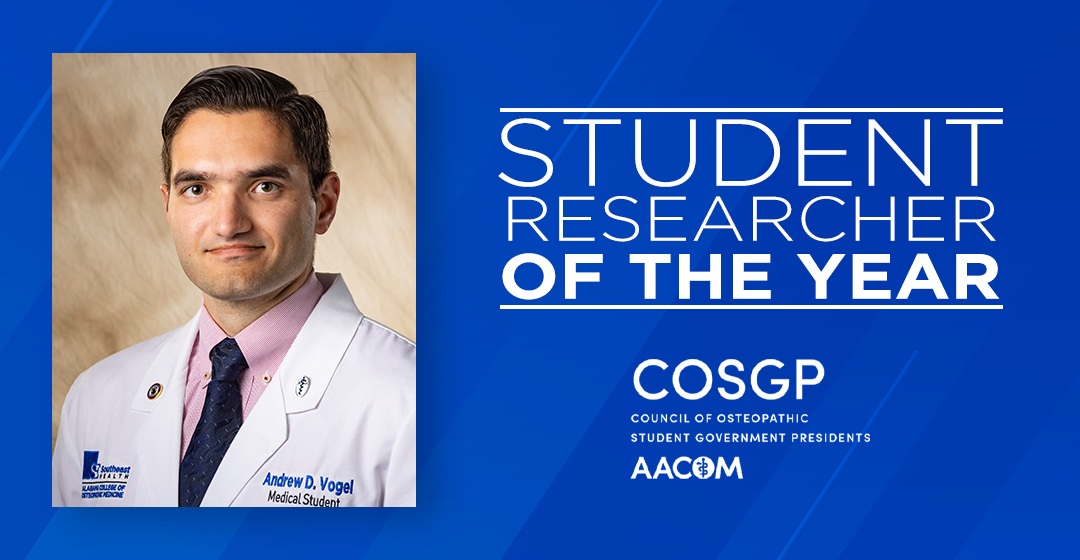
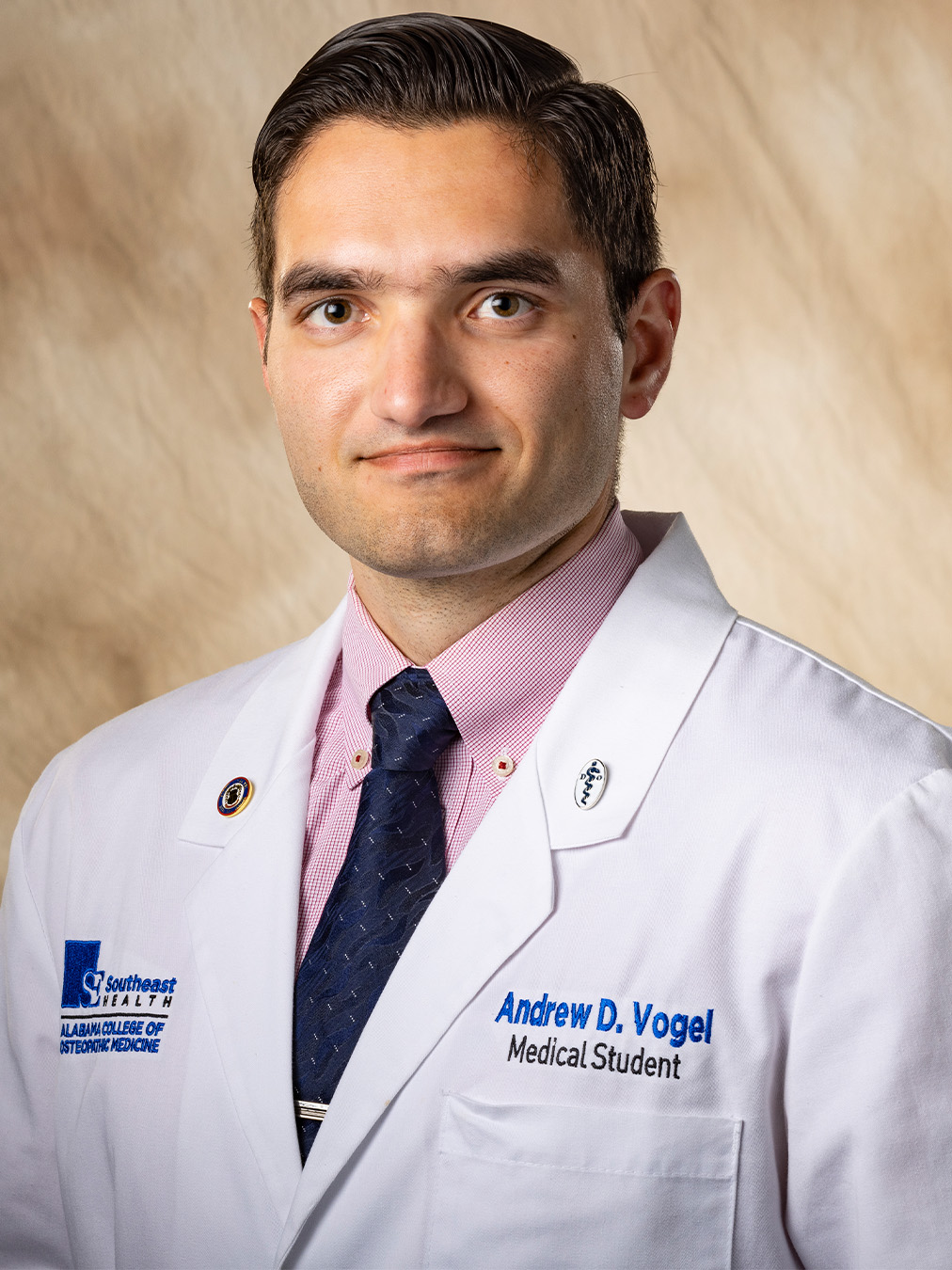
Andrew Vogel (OMS IV) has been selected by the American Association of Colleges of Osteopathic Medicine (AACOM) and the Council of Osteopathic Student Government Presidents (COSGP) as the 2025 National Student Researcher of the Year.
Andrew was chosen from a field of 49 highly qualified applicants representing 60 colleges of Osteopathic Medicine from across the country. The National Selection Committee noted a particularly high caliber of applicants for thie year’s award. This marks the second year in a row that an ACOM student has been chosen as recipient of the award.

Created in 2015, the Student Researcher of the Year award is intended to recognize osteopathic medical students with highly competitive experiences and advancement in clinical, translational, or basic science research. The recipient is selected based on their contributions to osteopathic research as it aligns with the mission of the Osteopathic profession and its governing bodies.

Recognition for this award will be included in the programming for the upcoming 2025 AACOM Educating Leaders Conference.

Vogel Named Student Researcher of the Year2025-04-10T09:26:58-05:00
Go to Top