NUTRITION & WELLNESS EDUCATION

The Alabama College of Osteopathic Medicine (ACOM) curriculum provides longitudinal, integrated nutrition education aligned with ACOM’s mission to prepare osteopathic physicians who deliver patient-centered, evidence-based, and community-responsive care. Nutrition concepts are intentionally embedded across preclinical and clinical curriculum, emphasizing prevention, chronic disease management, and health equity. Nutrition competencies are reinforced through didactic instruction, clinical skills training, systems-based learning, and applied patient care, preparing graduates to incorporate nutrition effectively into holistic medical practice.
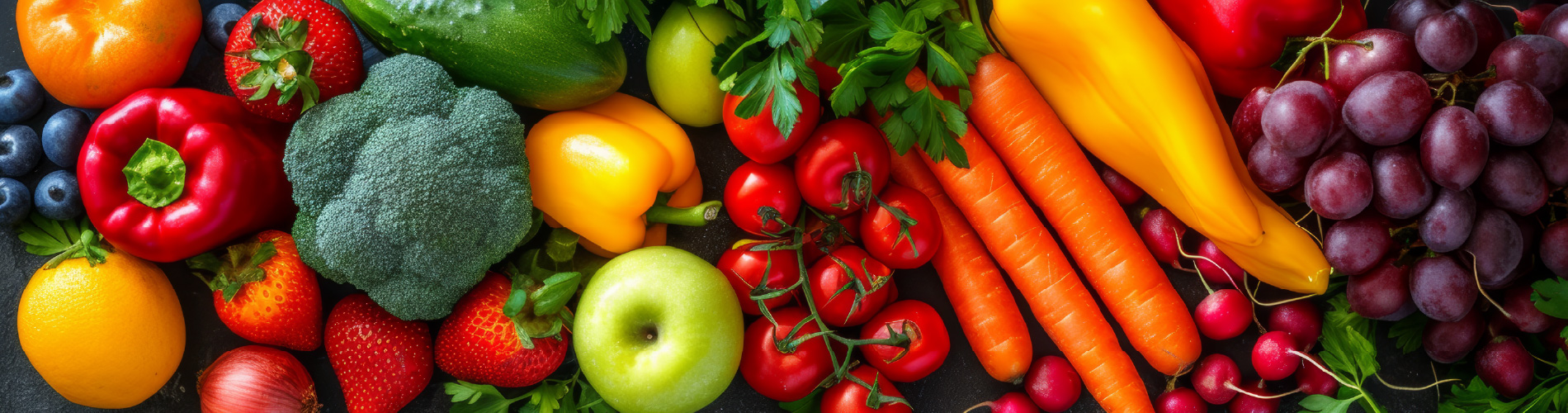
ACOM integrates evidence-based nutrition science throughout the curriculum, with focused instruction on Mediterranean, Dietary Approaches to Stop Hypertension (DASH), plant-forward, low-glycemic, and heart-healthy dietary patterns. These approaches are taught within cardiovascular, endocrine, gastrointestinal, and metabolic contexts and aligned with high-quality clinical trials and national guidelines. Students learn to translate this evidence into individualized, culturally responsive counseling consistent with osteopathic, whole-person care.

Through Primary Clinical Skills (PCS) courses and systems-based modules, students are trained to obtain comprehensive dietary histories, assess weight trends and nutritional risk, recognize nutrition-related physical findings, and interpret nutrition-relevant laboratory biomarkers. These skills support ACOM program outcomes related to clinical reasoning, diagnosis, and patient assessment and are reinforced through standardized patient encounters and OSCEs.

Consistent with ACOM’s emphasis on population health and health equity, the curriculum incorporates routine screening for food and nutrition insecurity across pediatrics, geriatrics, obstetrics, and primary care training. Students apply validated screening tools and facilitate referrals to community nutrition resources such as Special Supplemental Nutrition Program for Women, Infants, and Children (WIC), Supplemental Nutrition Assistance Program (SNAP), and Meals on Wheels. Nutrition is framed within the Health Systems Science context, emphasizing access, affordability, and socioeconomic drivers of disease.

Nutrition counseling is embedded within ACOM’s patient-centered communication framework using motivational interviewing, nonjudgmental language, and empathy-based counseling approaches. These skills are developed longitudinally across PCS I–IV and reinforced through OSCE/FOSCE assessment, aligning with ACOM competencies in professionalism, communication, and patient education.

The curriculum includes foundational instruction in macronutrients, micronutrients, energy balance, digestion, absorption, malabsorption syndromes, drug–nutrient interactions, and interpretation of nutrition labels and national guidelines. This knowledge supports evidence-based medical decision-making and clinical integration.

ACOM addresses nutrition as a core strategy in preventing and managing obesity, metabolic syndrome, diabetes, and cardiovascular disease. Instruction integrates pathophysiology and socioeconomic contributors while emphasizing preventive medicine, lifestyle-based interventions, bias awareness, and compassionate care.

Students learn to collaborate within interprofessional teams and recognize when referral to dietitians, behavioral health professionals, and community agencies is indicated. Nutrition care is contextualized within healthcare delivery systems, care coordination, and advocacy as part of the Health System Science (HSS) curriculum.

Nutrition education spans pregnancy, lactation and breastfeeding, infancy, childhood, adolescence, aging populations, and clinically assisted nutrition (oral, enteral, parenteral), ensuring life-stage appropriate care.

DEMONSTRATION KITCHEN

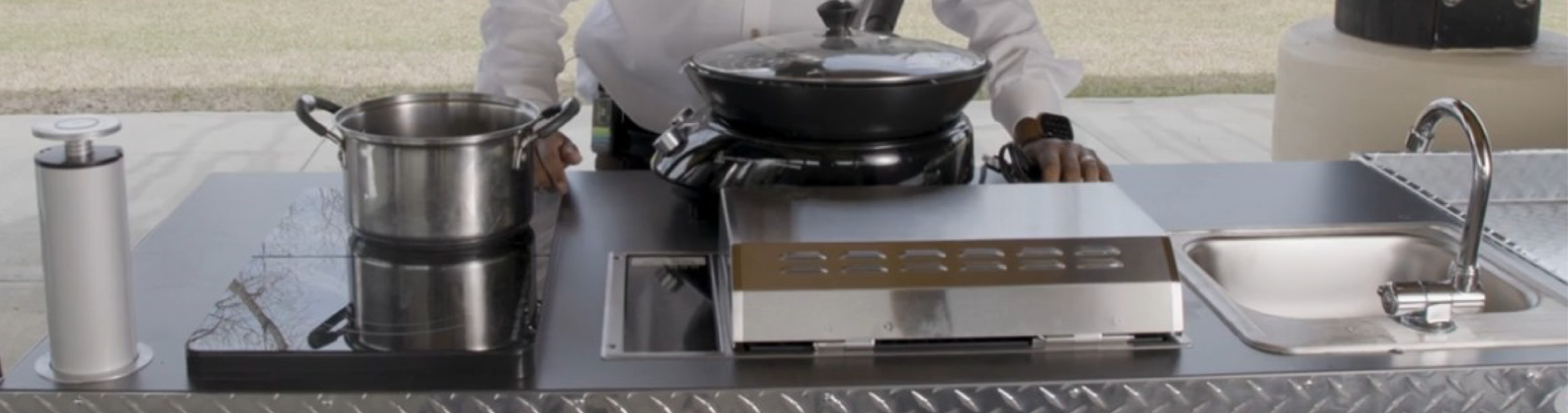
We’re committed to improving the health of our community by teaching practical skills in healthy eating, food preparation, and nutrition, no matter a person’s background or resources. Our Demonstration Kitchen helps us bring these topics to life by supporting team-based learning, case studies, interprofessional activities, community outreach, and hands-on cooking classes that connect directly to our curriculum in nutrition and culinary medicine.

CULINARY MEDICINE GOALS

1

Integrate “Food as Medicine” into the preclinical curriculum. Students learn how nutrition supports disease prevention and how to carry these principles into future patient care through hands-on, experience-based learning.

2

Introduce students to healthy recipes they’ll actually want to make again. Programs like InSPIRED to the Core Week highlight simple, nourishing recipes developed by ACOM’s Director of Wellness, often paired with fresh produce available on campus.

3

Hands-on learning in a home-style kitchen helps students confidently prepare healthy meals they can make and recommend, using ingredients from ACOM’s Community Garden to reflect diverse needs and resources.

COMMUNITY GARDEN

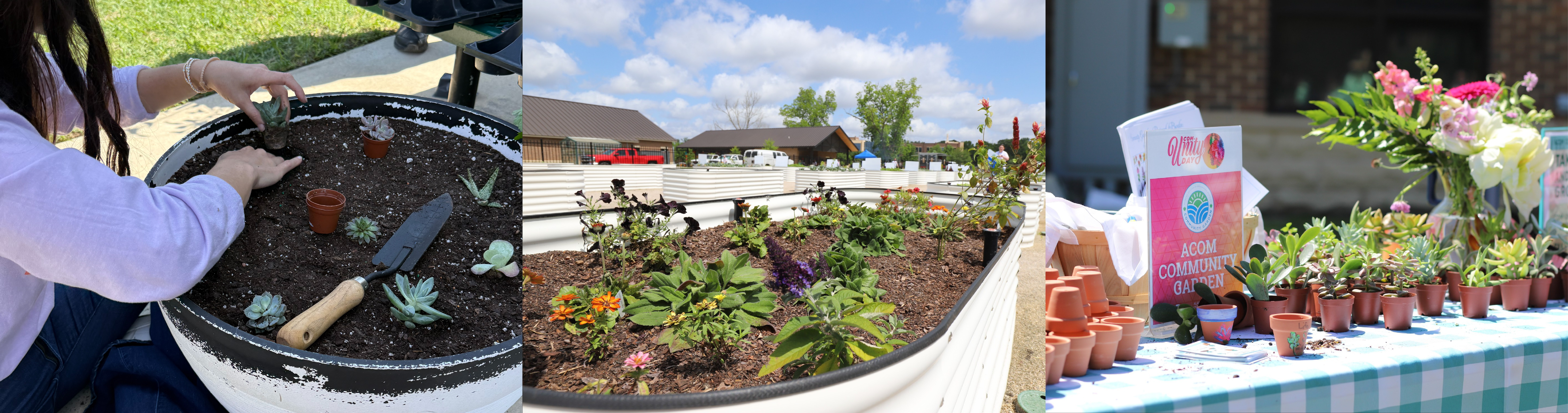
The ACOM Community Garden was established to promote healthy lifestyle choices and support the integration of fresh, natural ingredients into the daily lives of students, faculty, staff, and the surrounding community. Rooted in the principles of osteopathic medicine, the garden reflects ACOM’s commitment to whole-person wellness, prevention, and community-based care.

By offering a hands-on space for education, outreach, and wellness activities, the garden serves as a living classroom where future physicians can explore the connections between nutrition, environment, and health. Through its initiatives, the garden aims to foster sustainable practices, improve health outcomes, and cultivate a stronger, healthier community.